On June 25, 2026, the Supreme Court issued a 7–2 decision in Monsanto v. Durnell that will make it much more difficult for people harmed by pesticides to hold manufacturers accountable. The ruling limits certain state-law failure-to-warn claims against Bayer/Monsanto and other pesticide makers, particularly those alleging inadequate warnings about cancer and other serious health risks. This decision could put billions of dollars in jury verdicts – won by farmers, groundskeepers, and consumers who developed cancer, neurological damage, and other serious illnesses after pesticide exposure – at risk. This decision may also halt or severely limit thousands of pending cases.
We are devastated, but not surprised. This decision is the latest in a coordinated pattern of corporate protection and regulatory capture. On February 18, 2026, an Executive Order declared glyphosate essential to national security and public health. Late 2025 saw language in a House Appropriations bill that would have weakened the EPA's ability to regulate pesticides. Draft language in the H.R. 7567 Farm Bill originally sought to grant immunity to pesticide manufacturers. And now, the highest court has reinforced this trend.
The court’s decision rests on the EPA’s position that glyphosate is safe. This position relies in part on a study that was retracted in 2025, after it was found to have been ghostwritten by Monsanto’s own employees. Now both the EPA and the Supreme Court have relied on a regulatory framework that was influenced by research later called into question.
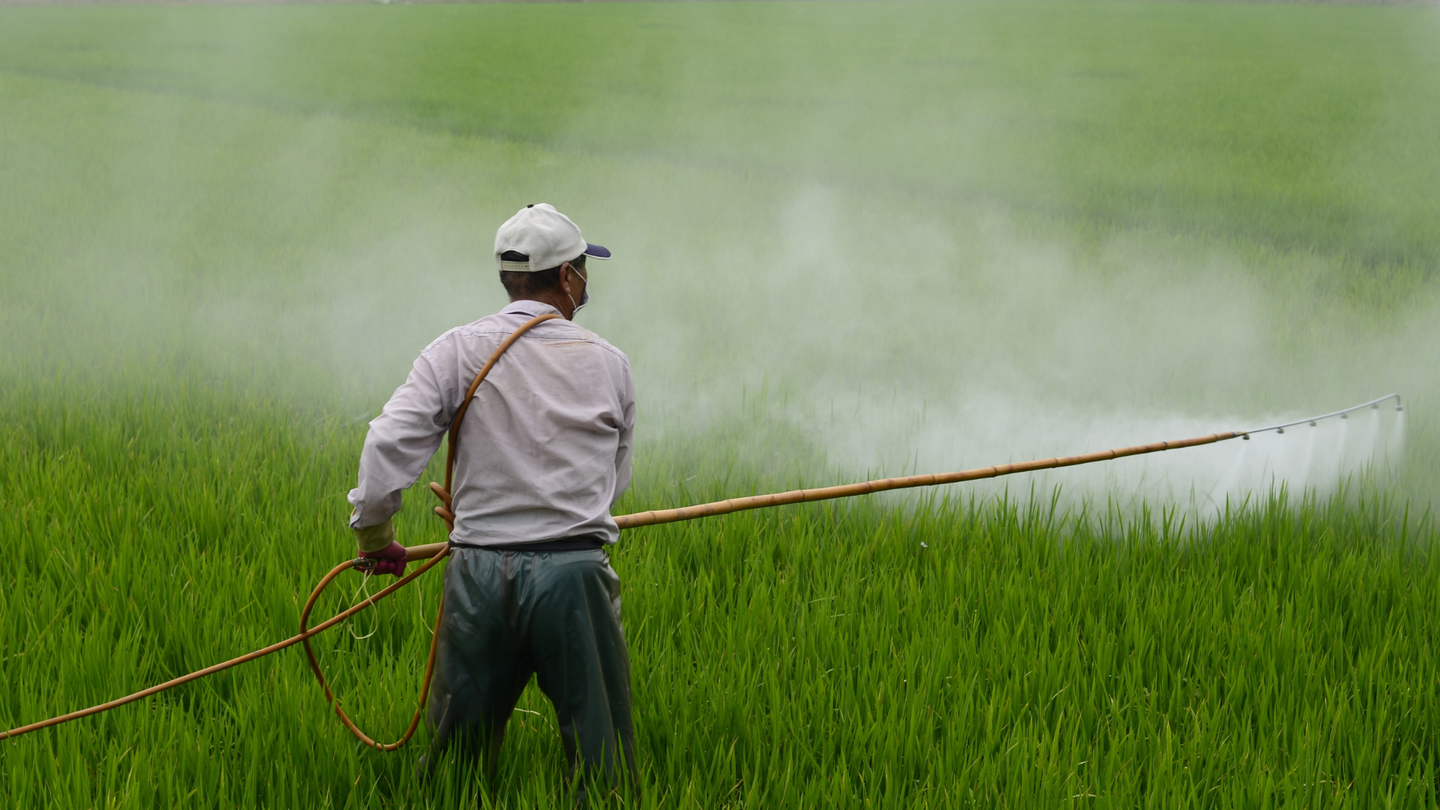
Glyphosate and other harmful herbicides are used everywhere, from growing our food to manicuring our landscapes. These chemicals are sprayed in agriculture, on forests, in golf courses, on your public parks and your kids' school grounds, often by workers who are given no meaningful warning about what they're handling. As this SCOTUS ruling makes it harder to take legal action after exposure, preventing exposure in the first place becomes even more critical. Our mission has never been more urgent: stopping pesticide use at the source. Every campus that goes pesticide-free and every groundskeeper trained in safer alternatives is a victory no Supreme Court ruling can undo.
Onwards,
The Re:wild Your Campus Team
This statement reflects our current understanding of the ruling and its implications. As independent legal analysis emerges in the coming days and weeks, we will share updates on what avenues may still exist for those harmed by pesticides.