Learn
Pesticides promise convenience, but at what cost? Explore how these chemicals harm people, pollinators, and the planet—and what you can do about it.
Every day, we’re exposed to pesticides...
...through the food we eat, the air we breathe, and the greenspaces where we live, work, and play. These chemicals aren’t just a nuisance; they’re dangerous. Studies link them to cancer, hormonal disruption, reproductive problems, kidney and liver damage, and nervous system disorders.
The impacts aren’t shared equally. Black, Indigenous, and low-income communities in the U.S. face higher exposure and greater harm, making pesticide use both a public health and environmental justice issue.
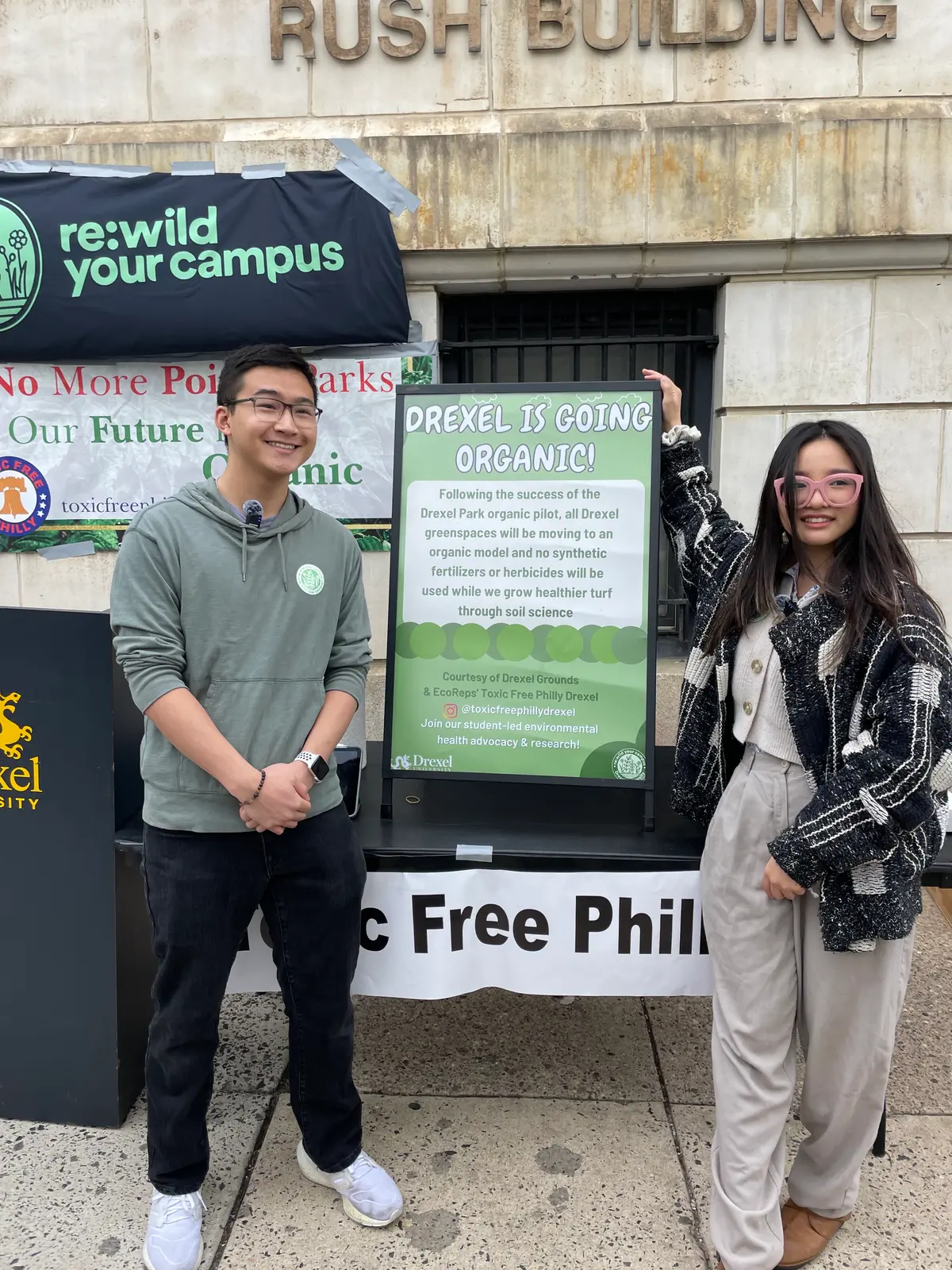
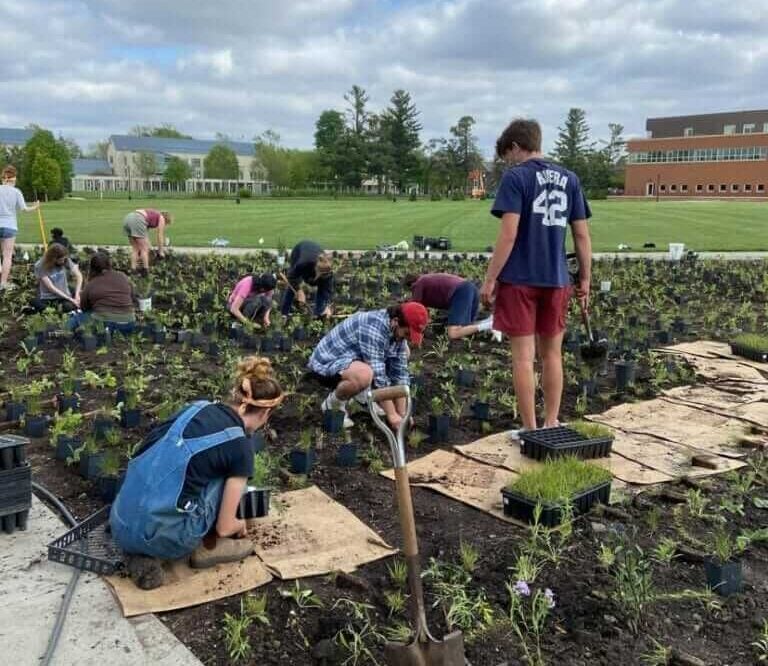
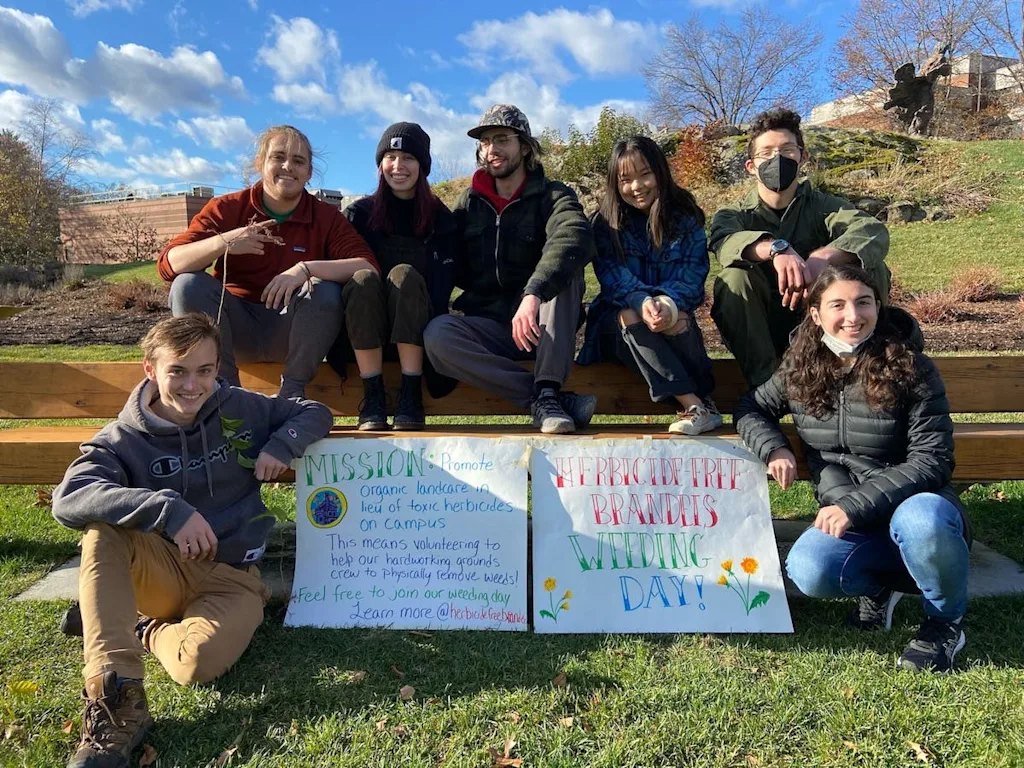
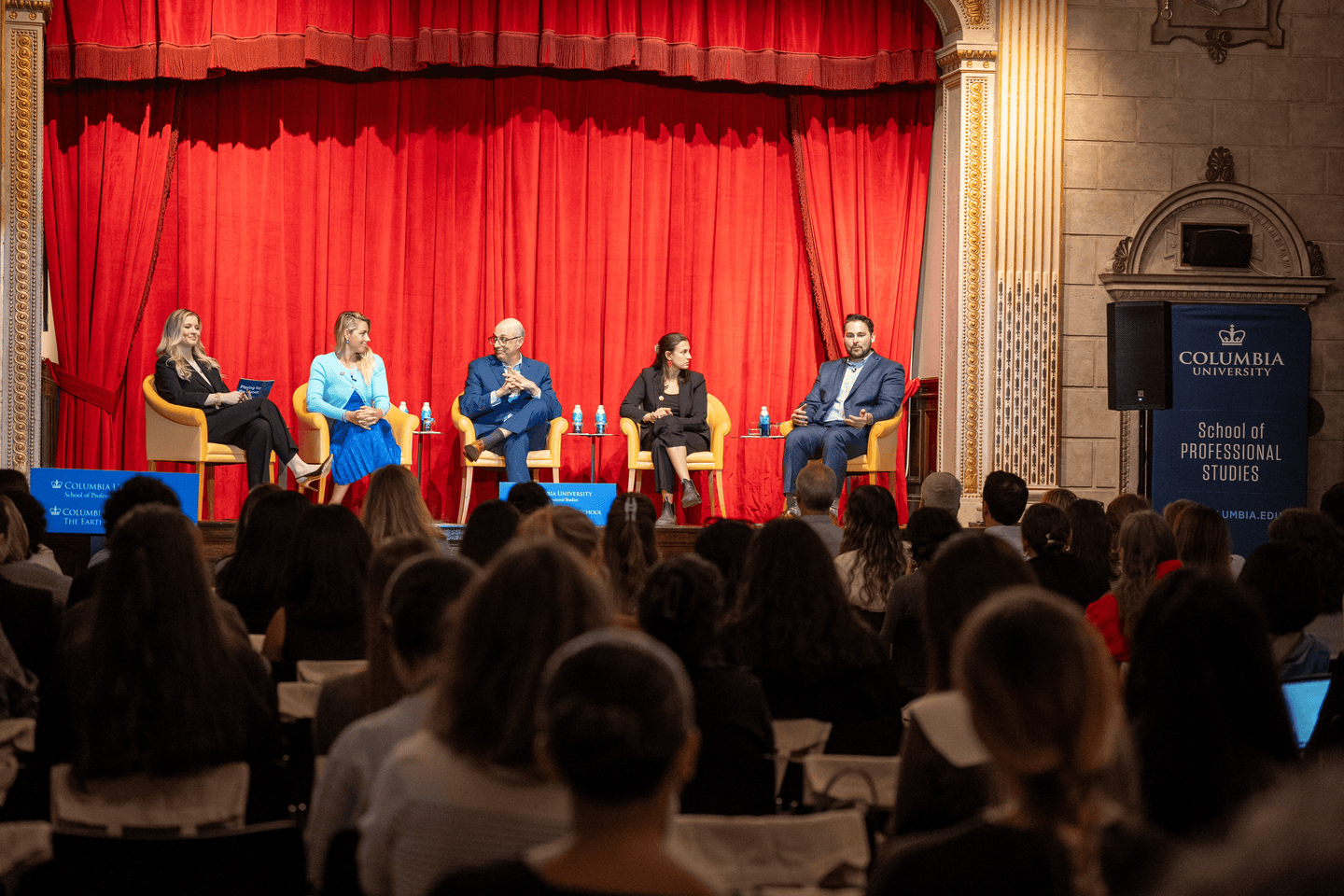
Bring Re:wild Your Campus to Your Classroom
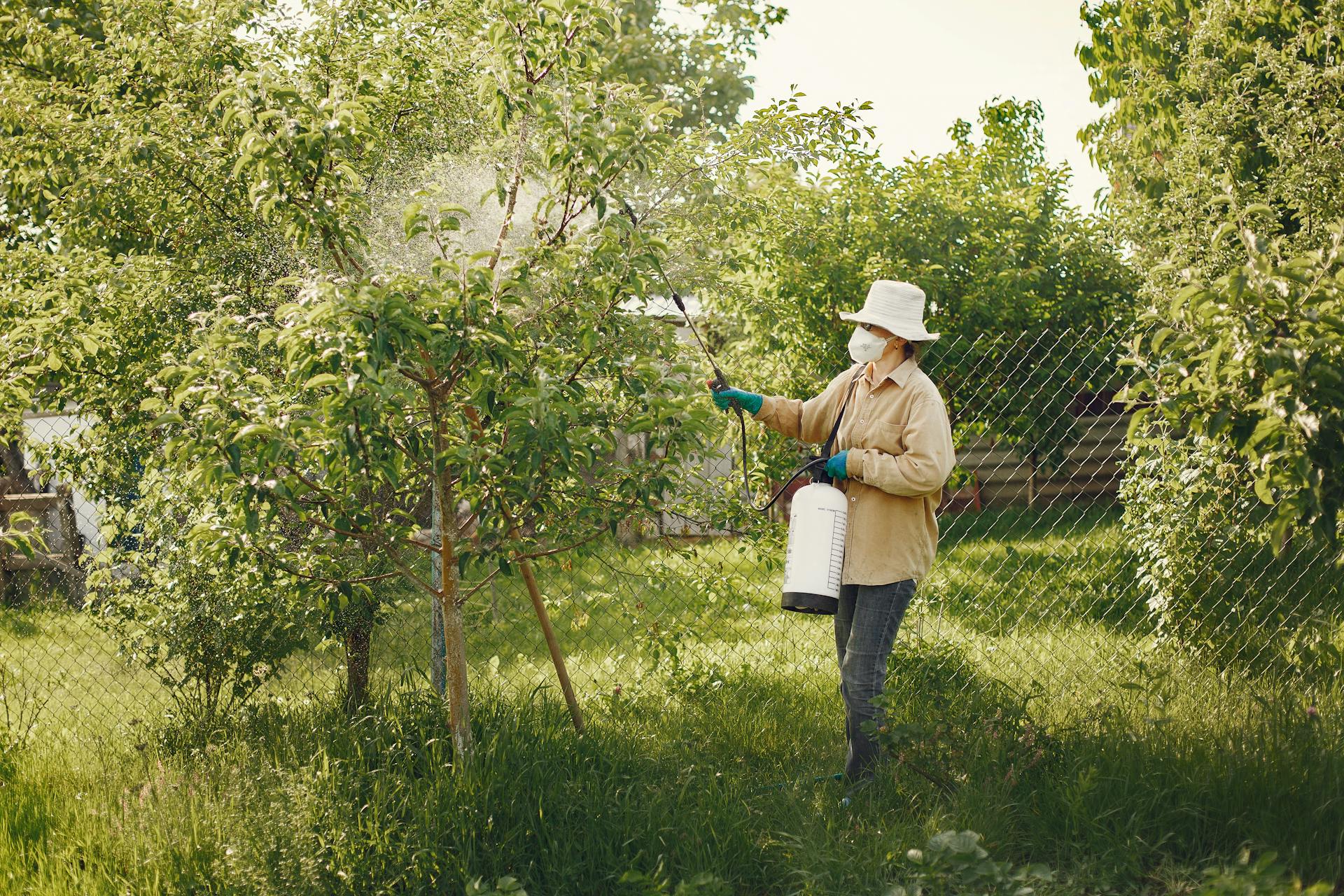
The Ripple Effect of Pesticides
Pesticides threaten human health and our ecosystems but are still widely used across our country and world.
Human Health
Pesticides interfere with the endocrine system, disrupting hormones that regulate growth, reproduction, and metabolism. These chemicals can mimic natural hormones, block receptors, or alter hormone production, leading to fertility issues, miscarriage, and low birth weight.
Biodiversity Loss
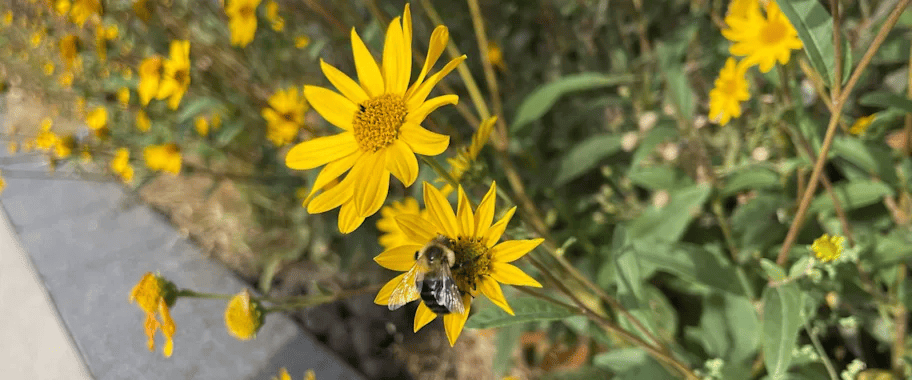
Pollinators and small animals are vital to ecosystems, but pesticides have devastated their populations. Bee colonies have dropped 90% since 1962, and a single contaminated bee can weaken an entire hive. Birds, squirrels, rabbits, spiders, and beetles are also poisoned directly or through their food, while habitat loss and chemical bioaccumulation compound the problem.
Glyphosate is the world’s most used pesticide.
Found in Roundup-resistant crops, this probable carcinogen contaminates fields, waterways, and food, exposing humans and wildlife to serious health risks.
Taking action, one step at a time.
Pesticides impact human health, wildlife, and the climate, but solutions are within reach. Eating and buying organic reduces chemical exposure, avoiding pesticides in lawns and gardens protects both people and pollinators, and choosing safer period products prevents hidden toxin absorption. Supporting pollinator-friendly farms and advocating for sustainable agriculture policies amplifies change on a larger scale.
Knowledge is power: understanding the risks, making informed choices, and spreading awareness can protect health, restore ecosystems, and build a chemical-free future.
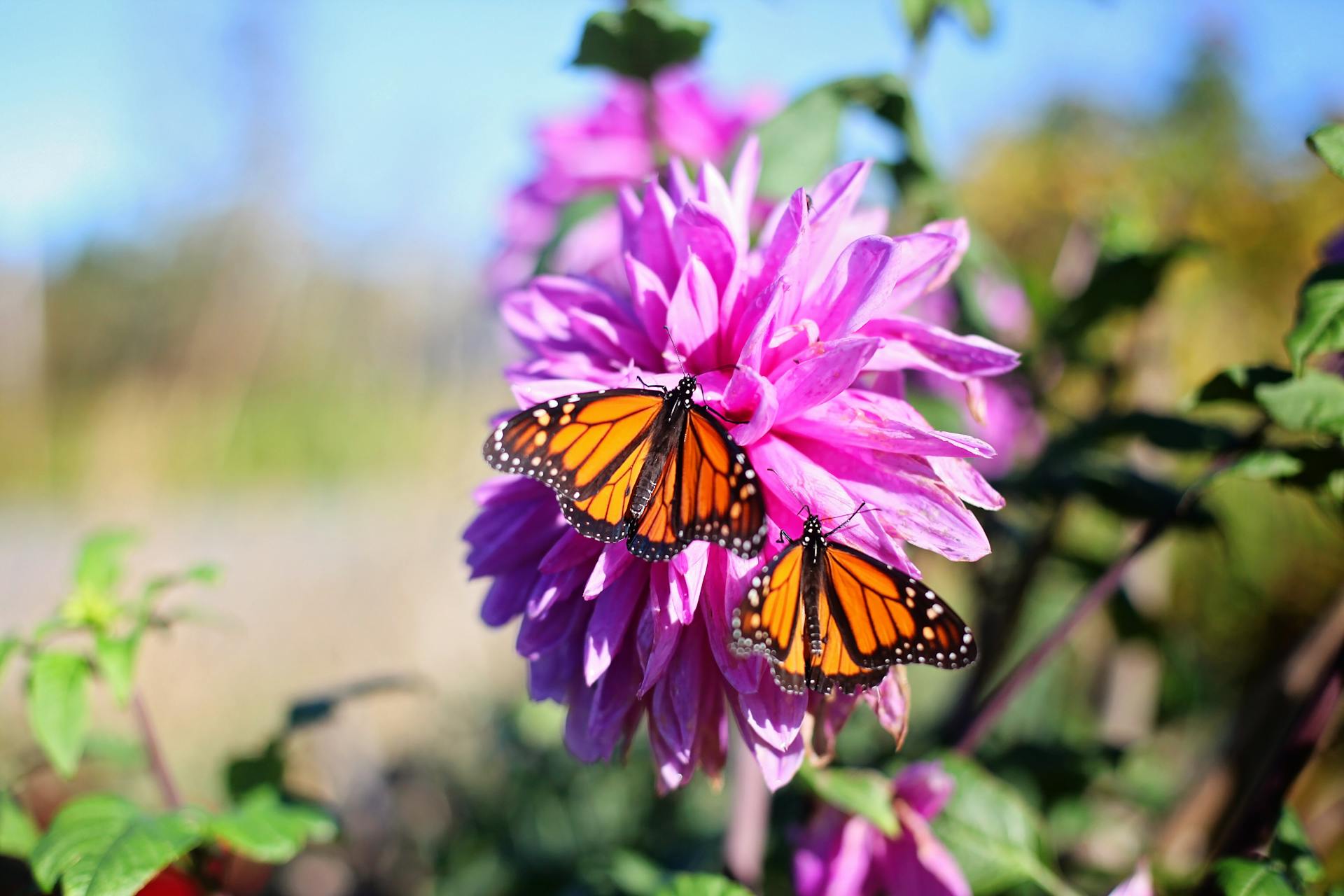
Rewilding solutions
Learn how pesticides impact human health, pollinator health, and ecological health.
Organic Landcare & Gardening
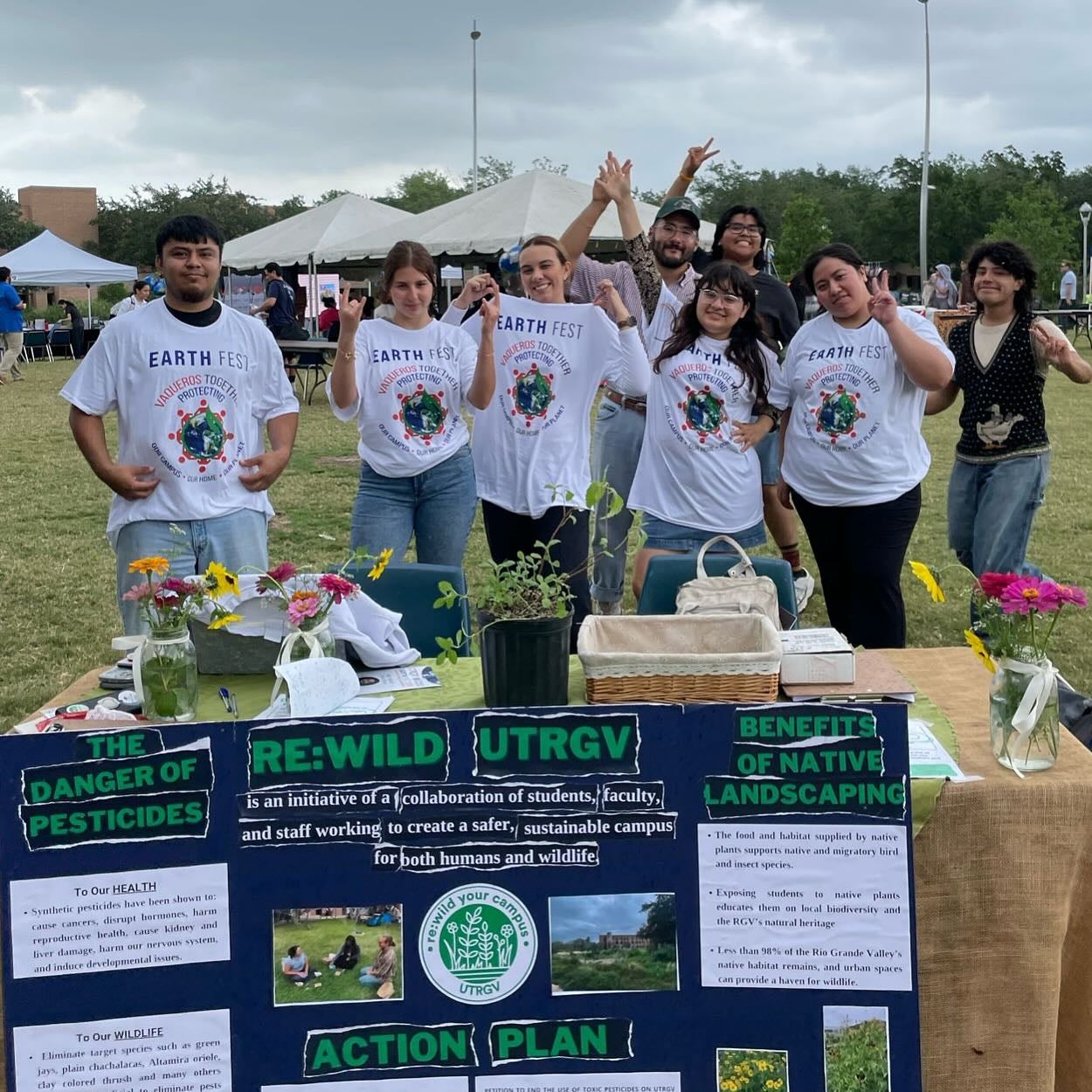
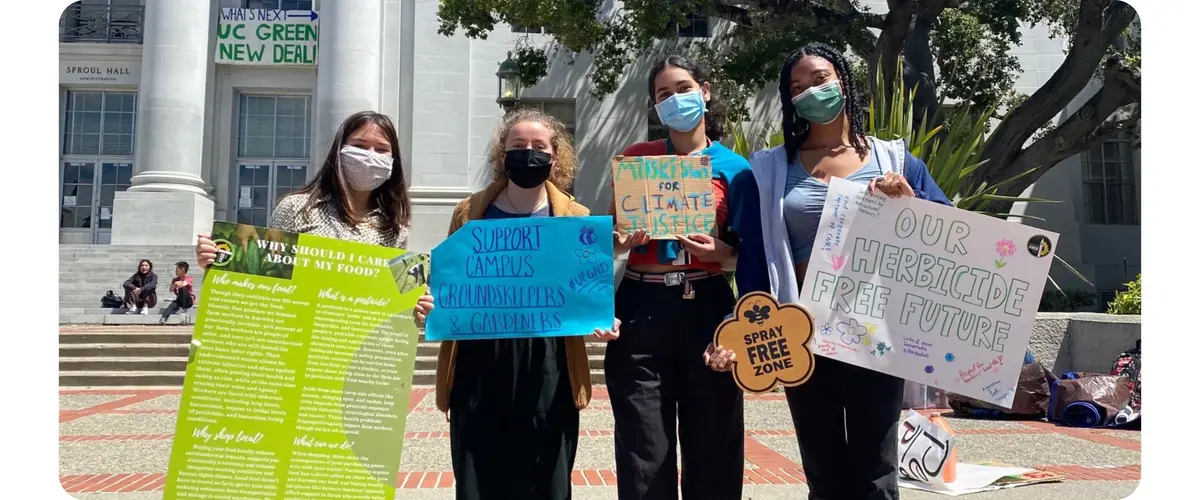
Transitioning campus grounds to 100% organic care — no synthetic pesticides, herbicides, or fertilizers. We partner with campus facilities to introduce composting, native planting, and soil-first maintenance.
Education & Workshops
Empowering students, staff, and community members with hands-on learning. From pesticide-free lawn care to pollinator garden builds, our workshops make ecological stewardship accessible to everyone on campus.
Native Plant Stewardship
Replacing invasive and ornamental monocultures with locally native plants that support pollinators, birds, and biodiversity.Native landscapes require far less maintenance —no chemical inputs needed once established
Get involved today!
Explore our programming opportunities to find the best fit for you!